
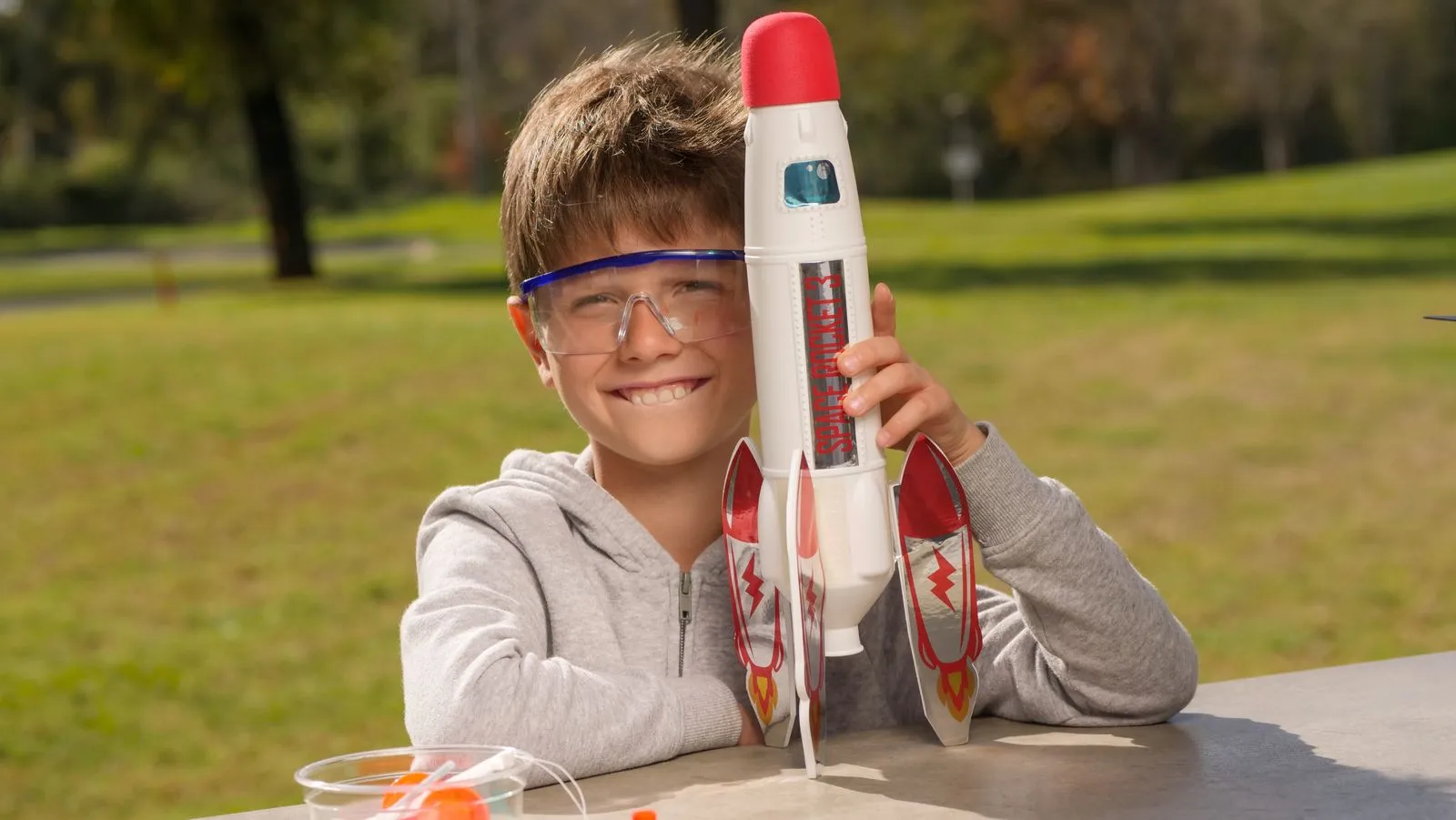
The best STEM gift starts with a child’s curiosity, not a label on the box. A kid who loves making things may enjoy a building set, while a nature watcher might prefer a discovery kit. Think about what holds their attention, how much help they like, and where they’ll use the gift. These simple clues can help you choose something they’ll want to explore again and again.
For Kids Who Love Building
If a child is always stacking, assembling, or figuring out how things fit together, look for construction sets with a clear challenge and room to experiment. Bricks, gears, magnetic pieces, and simple engineering kits can encourage planning and problem-solving. Check the recommended age and small-parts warnings, then consider whether the child prefers following instructions or inventing their own designs.
Match the set’s complexity to the child’s patience and experience. A younger builder may enjoy large pieces and quick projects, while an older child might welcome moving parts or a bridge-building challenge. Before buying, check what the kit includes and whether it needs household materials, batteries, or adult help. A project that can be started easily is more likely to make it off the shelf.
For Budding Experimenters
A child who asks “what happens if?” may enjoy an experiment kit focused on chemistry, light, magnets, or simple machines. Choose a topic that connects to questions they already ask, and read the activity list before purchasing. Look for clear instructions, reusable tools, and experiments that use supplies you can readily gather. A kit should make the process understandable, not just provide a surprising result.
Safety and supervision matter. Review age guidance, protective equipment, and cleanup steps, especially for kits involving liquids, heat, or small components. If you want an easy first experience, choose activities that can be done at a kitchen table with an adult nearby. Let the child make predictions, observe what changes, and describe what they notice; those steps turn a quick activity into thoughtful exploration.
For Nature and Space Explorers
Kids drawn to bugs, rocks, weather, or the night sky may prefer discovery toys that help them observe the world. Consider a child-friendly magnifier, a rock or fossil exploration set, a weather activity kit, or a beginner astronomy tool. Think about where the child will use it: a portable item suits outdoor walks, while a tabletop set may be better for indoor projects.
Choose tools that invite repeated use rather than a one-time reveal. A field journal, observation cards, or simple guide can help a young explorer record what they see and compare findings over time. Check that instructions use language the child can follow and that any collecting activities encourage care for living things and natural spaces. Pairing a tool with time to explore can make the gift feel complete.
Make the Gift Fit the Child
Use the child’s interests, age, and preferred way of playing as your checklist. Do they like working alone or alongside someone? Do they stick with longer projects or prefer short activities? Would they rather build a model, test a question, or search for something outdoors? These answers can narrow the choices more effectively than choosing by subject alone.
If you’re unsure, choose a flexible gift with more than one way to play, or ask a caregiver what materials and space are available. A small add-on such as a notebook, storage box, or extra building pieces can support future projects. At Curious Comet in San Antonio, shoppers can use these questions to guide a visit and find a gift that suits the child, not just the occasion.
A thoughtful STEM gift gives a child a starting point for exploring an interest they already have. Match the activity to their age, attention span, and favorite way to learn, then make room for them to test ideas and try again. Visit a local science toy shop to compare options and choose a project that sparks their curiosity.